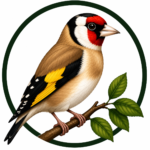

A yard stocked with nyjer and sunflower covers half of what a finch needs. The other half is water — and unlike birds that get meaningful moisture from fruit, nectar, or insects, an all-seed diet leaves finches genuinely dependent on a separate water source, every single day.
Why Seed-Eaters Need Water More Than Some Backyard Birds
As covered in our diet guide, finches eat almost nothing but dry seed from hatching onward. Dry seed provides essentially no free water, which puts finches in a different position than nectar-feeding hummingbirds or fruit-eating waxwings, both of whom get a meaningful percentage of their daily water from food alone. For finches, drinking water isn’t a nice-to-have — it’s a daily requirement with no dietary backup.
Drinking vs. Bathing: Two Different Needs
Finches use water for two distinct purposes, and a good setup should support both. Drinking water replaces what a dry-seed diet can’t provide. Bathing, separately, keeps feathers clean and properly aligned for insulation and flight — a genuinely important function for a bird that spends the winter relying on trapped air between feathers to survive cold nights.
What Kind of Water Source Works Best
| Water Feature | Pros | Watch For |
|---|---|---|
| Shallow bird bath (1–2 in. deep) | Simple, inexpensive, easy to clean | Stagnant water breeds bacteria fast in summer heat |
| Dripper or mister attachment | Movement attracts finches from a distance; keeps water fresher | Needs a hose connection or small pump |
| Heated bath (winter) | Keeps water from freezing solid in cold climates | Higher cost; needs a nearby outlet |
Depth matters more than most hosts expect. Finches are small birds, and a bath deeper than about two inches at its deepest point can actually discourage use or create a drowning risk for the smallest visitors. Adding a few flat stones to a deeper bath gives birds a shallow perch to drink and bathe from safely.
Summer Heat Changes the Stakes
During hot, dry stretches, water can become an even stronger draw than seed. A working bath or dripper set up near feeders described in our feeders guide often pulls in finches that wouldn’t otherwise stop at a yard, simply because reliable water is scarcer than reliable seed across most suburban and rural landscapes in peak summer.
Hygiene Matters as Much as Availability
A dirty bath can do real harm. Standing water that isn’t refreshed regularly becomes a breeding ground for bacteria and algae, and a shared bath is exactly the kind of crowded, high-contact surface that spreads disease between birds — the same underlying risk covered in our House Finch eye disease guide. Dump and refill a bath every one to two days in warm weather, and scrub it with a stiff brush and a diluted vinegar solution weekly to prevent slime buildup.
Placement Tips
- Keep the bath within 10–15 feet of cover (a shrub or low tree) so bathing birds have a fast escape route from predators.
- Avoid placing it directly under a feeder, where seed hulls and droppings will foul the water quickly.
- A dripper or small fountain adds movement and sound, which draws finches faster than still water alone.
- In winter, a heated bath is often the single most reliable way to keep any bird — finches included — visiting a yard when natural water sources are frozen over.
Water is easy to overlook in a feeding setup built entirely around seed, but for a family of birds that gets no moisture from its diet, it’s not optional. A clean, shallow, consistently refreshed water source will often do more to keep finches in a yard through a hot summer or a frozen winter than any single feeder change.
Signs a Yard Needs Better Water Access
A yard with plenty of seed but no reliable water source often shows a specific pattern: finches visit feeders briefly, then move on quickly rather than lingering, and overall visit frequency can lag behind what the seed supply alone would predict. Adding even a simple, shallow dish of water near an existing feeding station frequently increases how long birds stay and how often they return, since the trip to find water elsewhere is no longer necessary.
DIY and Budget Options
A dedicated bird bath isn’t required to meet this need. A shallow terracotta saucer, an upturned trash can lid, or any wide, shallow container filled to no more than about two inches works just as well from the birds’ perspective as a purpose-built bath, provided it’s kept clean and refreshed on the same schedule. The main advantage of a purpose-built bath or dripper is durability and, in the case of a dripper, the added draw of moving water — but a clean, shallow dish refreshed every day or two accomplishes the same core function at essentially no cost.
Winter Water: A Frequently Overlooked Need
Water needs don’t disappear when temperatures drop — if anything, reliable liquid water becomes scarcer in winter than in summer, since natural sources freeze over for weeks at a time across much of the range covered by this network. A heated bath, or even a small immersion heater added to an existing unheated bath, can make a yard one of the few reliable water sources in the immediate area during a hard freeze, and that reliability tends to draw a genuinely wider range of winter visitors than seed alone, since every bird in the area — not just finches — is facing the same frozen-water problem. Just as with seed feeders, though, a heated bath still needs the same regular cleaning as an unheated one; keeping water liquid doesn’t keep it clean.
A Simple Year-Round Checklist
- Spring and summer: refresh water every 1–2 days; scrub weekly to prevent algae.
- Fall: keep the bath running as temperatures drop and natural sources start icing over earlier in the morning.
- Winter: add a heater or immersion element in freezing climates rather than letting the bath sit empty for months.
- Year-round: keep the bath shallow, away from direct feeder spillover, and within quick reach of cover.